
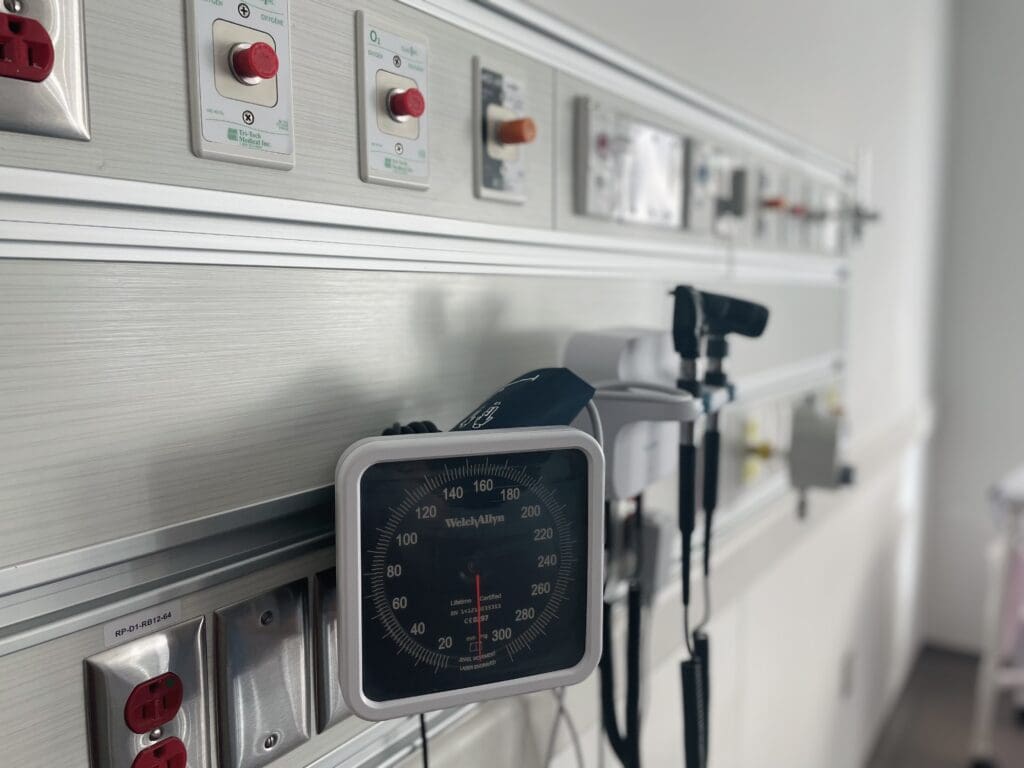
Hospitals. Institutions of healing, sites of medical expertise, and places of last resort for the acutely ill. Yet, they’re increasingly being viewed (and managed) as if they were hotels.
While patient satisfaction is important, the creeping of a hospitality-driven healthcare is creating a dangerous shift in priorities, one that ultimately compromises patient-care and staff well-being.
Think about it. Hotels prioritize guest comfort, amenities, and personalized service. These are undoubtedly valuable, but they are secondary to the core function of a hotel: providing temporary lodging. Hospitals, on the other hand, exist for the complex and often urgent purpose of diagnosing, treating, and managing illness and injury. Confusing these two fundamentally different missions has serious repercussions.
When a hospital prioritizes patient experience and fails to staff or hire appropriate personnel to ensure these standards, both patients and healthcare professionals suffer.
The Amenity Obsession:
The focus on patient “experience” has, in some instances, become disproportionately weighted towards non-medical aspects. Gourmet meals, plushy waiting areas, or life-saving treatment: What’s the priority in healthcare? While a comfortable environment can be beneficial, prioritizing aesthetics over essential medical equipment (or staffing) can be detrimental. Imagine a hospital boasting luxurious suites but lacking a crucial piece of diagnostic technology (or forcing their nurses to work 6-8 patients per nurse). Where are the true priorities?
The Customer is Not Always Right:
The hospitality industry operates on the principle that the customer is always right. This mentality can be dangerous in a healthcare setting. Patients, understandably, may be anxious, scared, or even misinformed about their conditions. Treating every patient request as gospel, without the critical lens of medical expertise, can lead to misdiagnoses, inappropriate treatments, and even harm. Medical professionals must be empowered to make informed decisions based on their training and experience, even if it means disagreeing with a patient’s self-diagnosis or preferred treatment plan. Remember that it is your license on the line— do not be afraid to protect it.
Staffing Shortfalls and Burnout:
The pressure to provide hotel-like levels of service often translates into increased demands on already stretched hospital staff. Nurses and doctors are spending more time managing non-medical requests, leaving less time for actual patient care. This contributes to burnout, exacerbates staffing shortages, and ultimately degrades the quality of care. A burnt-out and overworked staff member is far less likely to provide optimal medical attention. And because patient experience improvements are often mandated by those removed from direct patient care, nurses and front-line staff shoulder the responsibility alone.
The Illusion of Control:
The “hotel” model often fosters a sense of patient entitlement, a belief that they should have complete control over their care. While patient autonomy is crucial, it must be balanced with medical reality. Patients need to be active participants in their care, but they also need to work in partnership with the expertise of their medical team. The illusion of absolute control can lead to unrealistic expectations and dissatisfaction, even when the medical team is providing excellent care under challenging circumstances.
Reclaiming the Focus on Care:
It’s time to re-evaluate a hospitality-driven healthcare. While patient comfort and satisfaction are important, they should never overshadow the core mission of a hospital: providing high-quality, safe, evidence-based medical care. Hospitals need to:
- Reinvest in core medical services: Ensure adequate staffing and various disciplines to assist nurses in day-to-day quality of care of patients (ie. PSWs or clinical externs), purchase up-to-date equipment, and increase access to necessary treatments.
- Empower medical professionals: Allow doctors and nurses to focus on their primary responsibility: providing expert medical care, and complete interventions for critical cases.
- Educate patients: Help patients understand the complexities of medical care and the importance of working with their medical team.
- Prioritize staff well-being: Create a supportive work environment that reduces burnout and promotes job satisfaction.
We hear a lot about patient “experience” in healthcare. When will we start talking about staff “experience”?
Is healthcare turning into a business? Hospitals are meant to be places of healing, and their primary focus must always be on providing the best possible medical care to those in need. Let’s reclaim that focus before the pursuit of superficial comforts compromises the very essence of healthcare.
We’ll revisit this soon… Stay tuned for more details on patient experience.
The Teach Me Nursing STAT Team
Does your hospital prioritize patient experience over safe patient-care or staff well-being? Let us know in the comments.
View comments
+ Leave a comment