
People love nurses. They’re champions in scrubs, the calm in the storm, and the reason we sometimes get that extra pudding cup. But let’s also be brutally honest: their paycheques often look like they’ve been through a particularly aggressive washing machine – shrunk and faded.
Without further ado, here are 50 reasons why nurses should be getting paid more:
- They handle more bodily fluids before 9 am than most people do in a lifetime. (And they don’t get hazard pay for the sheer variety.)
- They can decipher doctor handwriting that would make ancient hieroglyphics look like a children’s picture book.
- They’re experts at the “silent scream” when a patient presses their call bell five seconds after they just left the room.
- They possess the bladder control of Olympic athletes, often delaying bathroom breaks for hours because… well, you know… saving lives.
- They can explain complex medical jargon in a way that even a child can understand.
- They’re masters of distraction to calm anxious patients (e.g., “Did you see the game last night?”).
- They possess the uncanny ability to locate the one functional pen in a chaotic nurses’ station—a skill that borders on wizardry.
- They navigate hospital politics every single shift.
- They’re the real-life MacGyvers of the medical world, fashioning makeshift solutions with tape and whatever else is lying around.
- They can locate a vein on even the most challenging of patients, often found by sheer force of will.
- They’re the emotional sponges for everyone – patients, families, even often the grumpy doctor in the corner.
- They know more about your personal habits than your own mother (and they judge way less).
- They can simultaneously chart, administer meds, answer call bells, and comfort a crying relative – all while maintaining a resemblance of sanity.
- They survive on lukewarm coffee and the sheer adrenaline of saving lives.
- They’re the first to notice subtle changes in a patient that can mean the difference between a good day and a code blue.
- They’re basically professional detectives, piecing together symptoms and histories to solve medical mysteries—suggesting it to the doctor, and not receiving any of the credit when it turns out true.
- They possess the strength of ten oxen when it comes to lifting and repositioning patients. (Hello, back pain!)
- They’re the unsung heroes of countless medical dramas, except their reality involves less dramatic lighting and more overflowing sharps containers.
- They can handle the smell of things you didn’t even know existed (C. diff anyone?).
- They’re experts at defusing tense situations with a calm voice and a reassuring touch.
- They spend their days advocating for people who are often at their most vulnerable.
- They’re constantly learning and adapting to new technologies and medical advancements.
- They work long shifts—often spending more holidays at the hospital rather than home—sacrificing weekends, and birthdays to care for others.
- They’re the glue that holds the healthcare system together (often spread a little too thin).
- They can tell you the exact location of every supply closet in a five-mile radius.
- They’re the patient’s biggest cheerleader and fiercest advocate.
- They develop a sixth sense for when something “just isn’t right.”
- They’re the masters of multitasking, often juggling more tasks than a circus performer with chainsaws.
- They provide comfort and support during some of the most difficult moments in people’s lives.
- They’re the reason many patients feel safe and cared for in a scary environment.
- They can give you a shot without you even realizing it (most of the time).
- They’re the keepers of countless secrets and personal stories.
- They face ethical dilemmas seeing the suffering patients go through.
- They’re the backbone of healthcare, and a broken backbone can make someone bedbound.
- They need good shoes to help them withstand the kilometres they walk in a single shift.
- They’re worth more than the yearly (maybe) pizza party.
- They consistently go above and beyond, often without recognition.
- They choose this demanding profession out of a genuine desire to help others.
- Because frankly, if nurses went on strike, the entire system would crumble faster than a stale biscuit.
- They sell their left kidney to afford their extensive education and training, often requiring bachelor’s or master’s degrees, and specialized certifications.
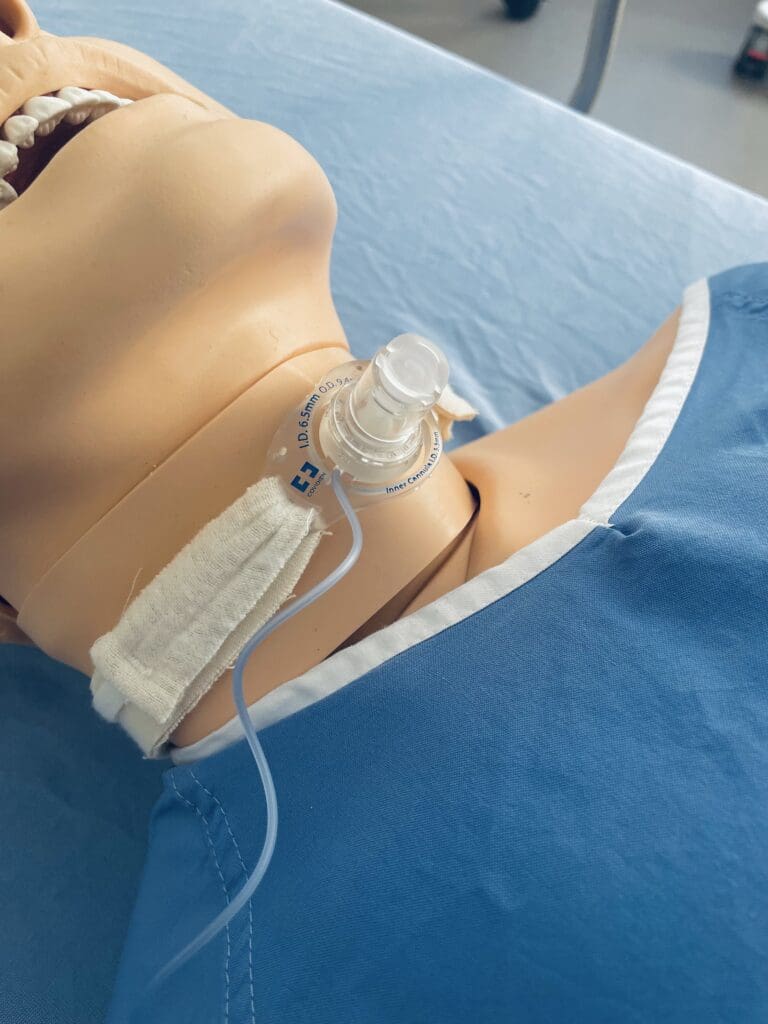
- They perform a wide range of complex and serious medical procedures, from managing ventilators to catheterizations to holding an airway open for a procedure—all while making it look (almost) effortless.
- They bravely face a daily gauntlet of microscopic villains, dodging more germs than a toddler in a daycare center.
- Their stress levels could power a small city.
- They encounter patients who mistake them for punching bags.
- They’re the meticulous pharmacists of the bedside, doling out medications and playing detective for any unexpected side quests (aka adverse reactions).
- They’re the ultimate healthcare diplomats, expertly herding doctors, therapists, and other professionals into a cohesive care symphony (sometimes with a kazoo).
- They often work in environments so understaffed, that they’ve developed the ability to be in three places at once (though they’d prefer just one well-supported one).
- Their mental health often takes a backseat to everyone else’s, making self-care feel like a mythical creature they’ve only read about.
- They pay to maintain professional licensure to be able to work. They literally pay for the privilege of being able to work tirelessly to keep us alive. Let that sink in.
- And finally, because a society that truly values the health and well-being of its people should unequivocally value and fairly compensate the incredible humans who dedicate their lives to caring for them.
This list doesn’t even cover all the reasons nurses should be paid properly, but it’s a start in opening an important conversation.
So, let’s raise a glass to our nurses! May their paycheques one day reflect the immense value they bring to our lives. Now, if you’ll excuse us, we think we hear a call bell… Just kidding!
The Teach Me Nursing STAT Team
Can you find other reasons for increasing nurses’ pay? What factors have historically prevented significant increases in nursing compensation?
We have to pay for parking at where we work!